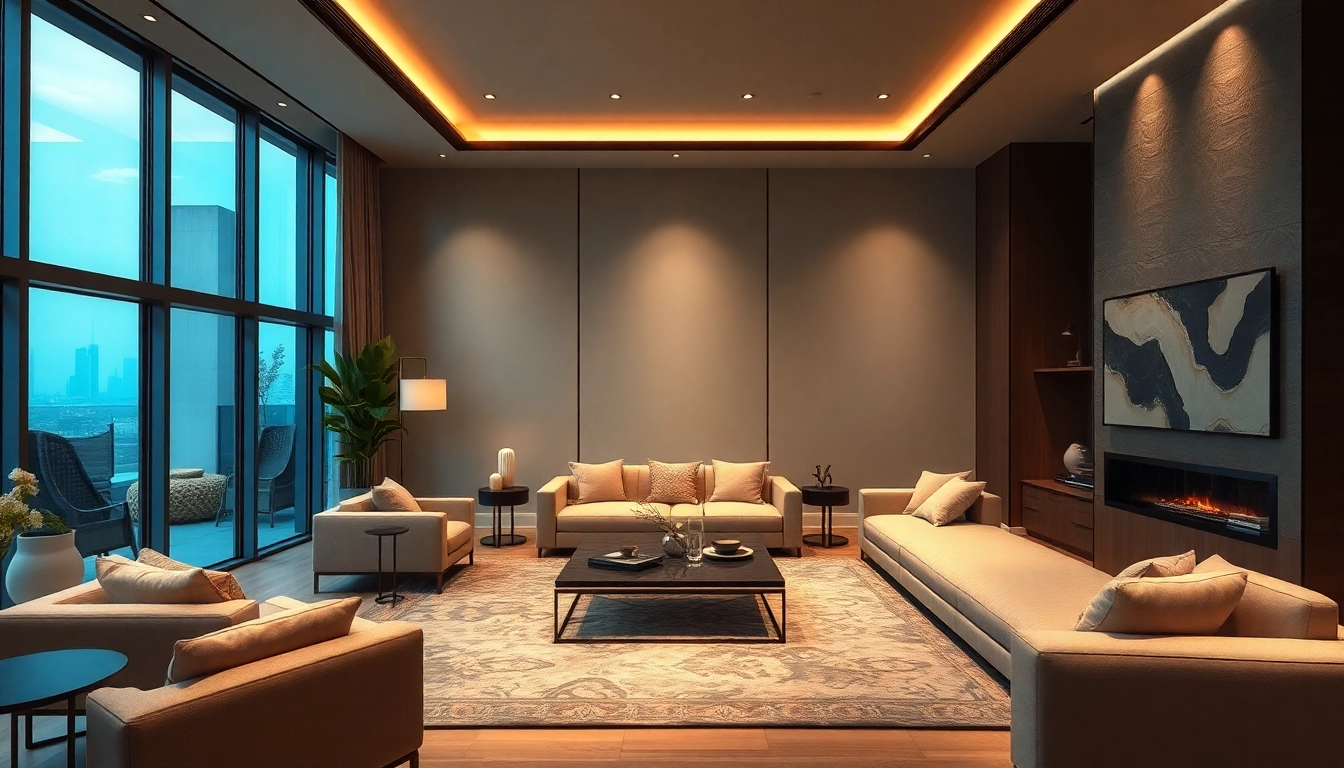
Defining Luxury in Modern Society
Luxury is a term that evokes a variety of feelings and images in different individuals. From opulent mansions to exquisite fashion, luxury encompasses a broad spectrum of goods and experiences. At its core, luxury can be defined as luxury goods and services characterized by their exclusivity, quality, and the social status they confer upon the consumer. Understanding luxury in modern society requires examining its cultural significance, distinguishing it from necessity, and addressing common misconceptions surrounding it.
The Cultural Significance of Luxury
Throughout history, luxury has been intertwined with cultural and societal values. For many, luxury symbolizes success, wealth, and power. In various cultures, the possession of luxury goods is more than just a form of self-indulgence; it reflects one's social standing and often conveys messages about identity. For instance, in the world of fashion, wearing designer labels not only signifies a taste for quality but also acts as a status symbol. Artisans and craftsmen have been celebrated for their luxurious creations, aligning luxury with cultural heritage.
Luxury vs. Necessity: Understanding the Distinction
One of the critical aspects of luxury is understanding how it differs from necessity. Essentials cater to fundamental human needs—food, shelter, and clothing. Conversely, luxury items, while they may provide pleasure and comfort, are non-essential. The distinction is often subjective; what is considered a luxury to one person may be seen as a necessity by another. For example, a high-end smartphone might be perceived as a luxury by some, but for many professionals, it is an indispensable tool for work.
Common Misconceptions About Luxury
Several prevalent misconceptions about luxury can cloud our understanding of this concept. One such myth is that luxury is synonymous with extravagance. While some luxury items can be extraordinarily expensive, others focus solely on craftsmanship, heritage, and experience rather than price. Furthermore, it is often believed that luxury is only attainable by the wealthy; however, the market for affordable luxury has expanded significantly, making certain products accessible without compromising quality. Lastly, a common misunderstanding is that all luxury is superficial; many luxury brands prioritize sustainability and ethical production, supporting local artisans and sustainable practices.
The Economics of Luxury Goods
Luxury holds a fascinating place in economics, influenced heavily by consumer behavior, branding, and income dynamics. Understanding the economics of luxury goods entails examining how these factors shape consumer demand and market stability.
Demand Dynamics: How Income Influences Luxury Consumption
Luxury goods operate on a unique principle in relation to demand. As income rises, demand for luxury goods tends to increase disproportionately. This characteristic is known as Veblen goods, where the desirability of a product increases as its price rises, in contrast to traditional economic principles. For instance, high-end brands like Louis Vuitton or Rolex thrive because their products are seen as markers of social status and personal achievement. This relationship between income and luxury consumption can also create market volatility during economic downturns, highlighting the fragility of luxury brand demand amidst financial instability.
The Role of Branding in Luxury Markets
Branding plays a pivotal role in the luxury market, serving as the backbone of consumer perception and desire. Luxury brands invest significantly in creating an image that resonates with exclusivity and prestige. Strategies such as limited product releases, bespoke services, and heritage storytelling enhance the allure of luxury brands. Take, for example, the success of brands like Chanel; their iconic branding, steeped in history and exclusivity, continues to appeal to consumers worldwide. Furthermore, luxury brands utilize aspirational marketing, where lifestyle is often emphasized over the product itself, leading consumers to associate the brand with desired social or emotional outcomes.
Case Studies of Luxury Brands
Examining successful luxury brands provides valuable insights into effective strategies within the market. Brands like Gucci exemplify the transformation of luxury through modern marketing tactics that emphasize inclusivity while maintaining their heritage. Their collaboration with popular artists and celebrities has broadened their appeal to a younger demographic without diluting their luxury status. Similarly, Rolex remains a case study in brand loyalty through consistent messaging centered around precision, success, and exclusivity, all while maintaining a high barrier to entry. These case studies reveal the importance of brand heritage and innovative marketing in sustaining luxury appeal.
Luxury Experience: Beyond Material Goods
The concept of luxury extends far beyond material goods to encompass transformative experiences that evoke feelings of exclusivity and pleasure. The experiential aspect of luxury is increasingly emphasized, reshaping consumer expectations and engagement.
Creating an Immersive Luxury Environment
Luxury experiences thrive in environments that provide sensory richness and exclusivity. High-end hotels like The Ritz-Carlton or boutique establishments focus on creating immersive environments where every detail is designed to enhance the guest experience, from bespoke furnishings to attentive service. In retail, luxury stores are increasingly adopting immersive strategies. For example, the flagship store of luxury brand Dior in Paris not only showcases products but also enables consumers to engage with the brand through art exhibits and gourmet dining options, elevating the shopping experience into a memorable event.
Exclusive Services: What Sets Luxury Apart
Services that go above and beyond standard expectations are hallmarks of luxury. From personalized shopping experiences to tailor-made travel itineraries, the focus is on offering consumers exceptional service that emphasizes individuality and exclusivity. Private aviation services, for instance, create tailored travel experiences, ensuring every need of the passenger is met while offering flexibility and comfort. The luxury of time is also a significant aspect—offering convenience and a sense of control is central to high-end service offerings.
Emotional Aspects of Luxury Experiences
Luxury is often tied to emotional well-being, creating feelings of joy, status, and fulfillment. Emotional branding has become vital in the luxury sector, where brands strive to connect with consumers on a deeper level. The storytelling aspect of luxury—demonstrating brand heritage, craftsmanship, or impactful experiences—fosters an emotional connection, compelling consumers to invest in brands that resonate with their values. For example, brands that highlight their commitment to sustainability tend to attract consumers who prioritize ethical considerations alongside their luxury purchases.
Trends in the Luxury Market
The luxury market is not static; it constantly evolves to reflect societal changes, consumer behaviors, and technological advancements. Current trends reveal a shift towards sustainability, digital engagement, and niche markets that redefine what luxury means in today’s context.
The Shift Toward Sustainable Luxury
As consumers become more environmentally conscious, there is an increasing demand for sustainable luxury. Brands are responding by adopting sustainable practices, whether through eco-friendly materials, ethical sourcing, or transparency in production processes. Luxury brands like Stella McCartney have pioneered the integration of sustainability into fashion, proving that luxury can coexist with responsible practices. This shift not only meets consumer expectations but also enhances brand loyalty, making sustainability a central tenet of luxury in the 21st century.
Digital Transformation in Luxury Retail
The digital landscape has revolutionized the luxury retail sector, creating new opportunities for engagement and marketing. Luxury brands now leverage e-commerce platforms, social media, and virtual reality to create immersive shopping experiences and enhance accessibility. Notably, brands are investing in personalized online shopping experiences, utilizing AI-driven insights to tailor recommendations to individual consumer preferences. The digital realm enables luxury brands to reach previously untapped markets while maintaining their exclusivity through selective online offerings.
Luxury Travel: A Growing Sector
Travel experiences categorized as luxury are witnessing considerable growth, as consumers increasingly seek unique adventures and personalized services. Luxury travel, encompassing everything from private jet charters to exclusive island getaways, is all about bespoke itineraries that cater to the desires of affluent travelers. The provision of unique and memorable experiences, such as guided tours through iconic locations or customized culinary experiences, is pivotal to the brand image of luxury travel operators. This sector not only captures the essence of luxury but also reflects modern consumers’ craving for experiences over possessions.
Navigating the Future of Luxury
As the luxury landscape continues to evolve, brands must adapt to changing consumer preferences and shifting global dynamics to maintain relevance and growth over time.
Adapting to Changing Consumer Preferences
New generations of consumers are reshaping the luxury sector, prioritizing authenticity, experience, and sustainability over traditional markers of luxury. Brands need to leverage insights from consumer data to understand these shifts proactively. For instance, many luxury brands now emphasize transparency in their practices, showcasing their commitment to authenticity. Engaging in two-way communication through social media channels allows brands not just to market but to build community and connect with their audience on a deeper level.
Globalization’s Impact on Luxury Brands
Globalization has opened new markets for luxury brands, not without challenges. While entering emerging markets can drive growth, luxury brands must navigate cultural nuances and consumer preferences that differ significantly from traditional markets. For example, luxury brands seeking to establish a foothold in Asian markets must understand the unique blend of local tastes and global aspirations. Tailoring products and marketing strategies to resonate with these markets while maintaining the brand's identity is key to success in the global arena.
Strategies for Emerging Luxury Markets
To effectively penetrate emerging markets, luxury brands should adopt adaptive strategies that consider local contexts. Collaborations with local influencers or designers can enhance brand credibility and visibility. Additionally, e-commerce platforms and mobile payment solutions play a crucial role in catering to the tech-savvy consumer base within these markets. By investing in market research and localized marketing campaigns, luxury brands can position themselves as desirable players within these rapidly growing segments.